How the Lumine Ecosystem Came to Life at MWC
This Q&A looks at how the Lumine Pavilion brought the ecosystem to life at MWC 2026. With more than 20 portfolio companies present, the Pavilion offered a practical view of what it means to be part of Lumine: independent communications software businesses connected through a shared market focus and access to a global peer network. Drawing on insights from Lumine Group’s Operational Marketing and Creative leadership team, this article explores the intent behind this year’s Pavilion design and how it reflects collaboration, scale, and the ecosystem in action.
The Lumine Pavilion: The Ecosystem in Action
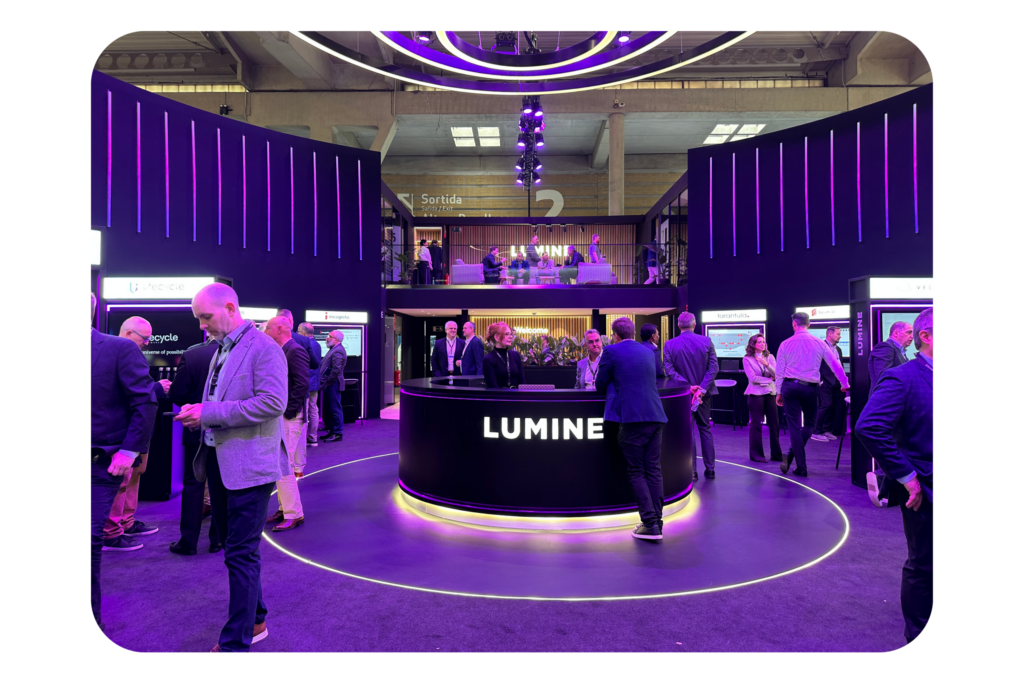
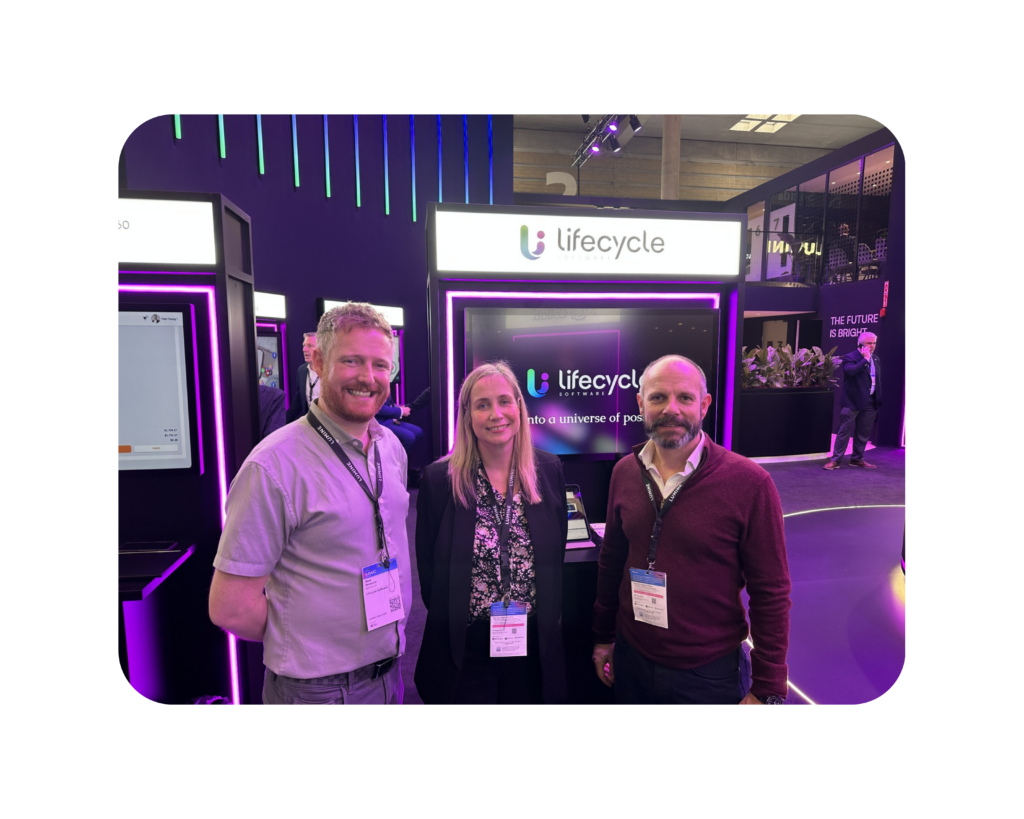
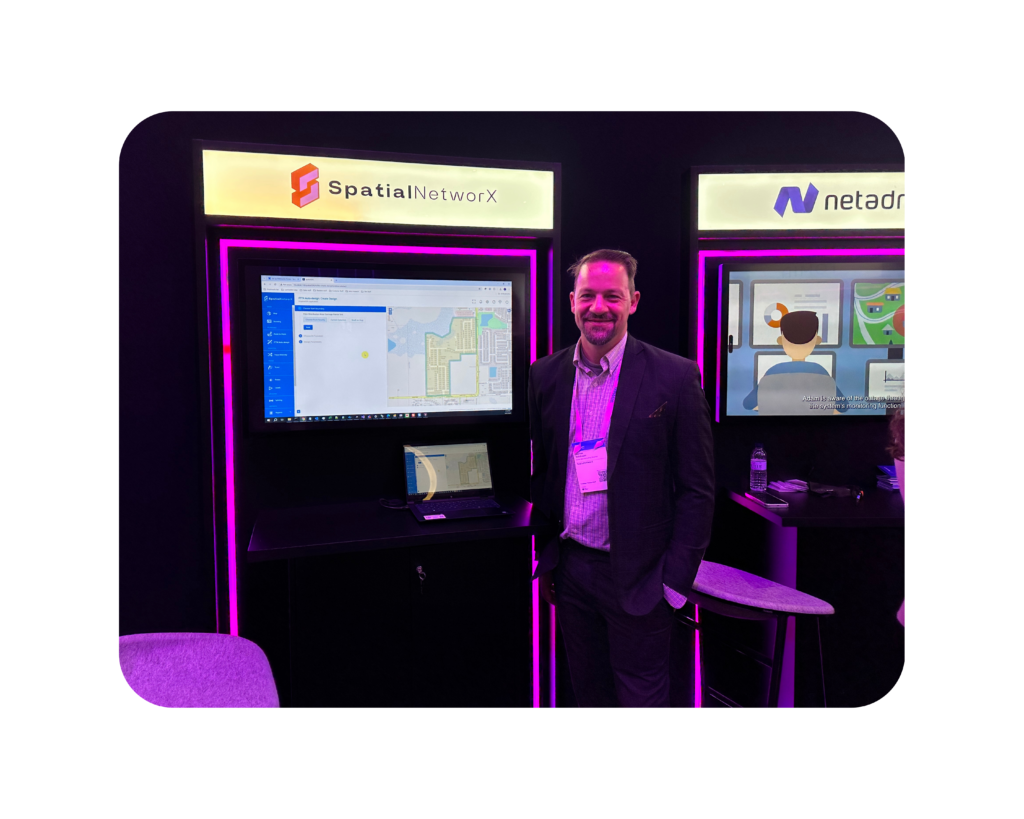
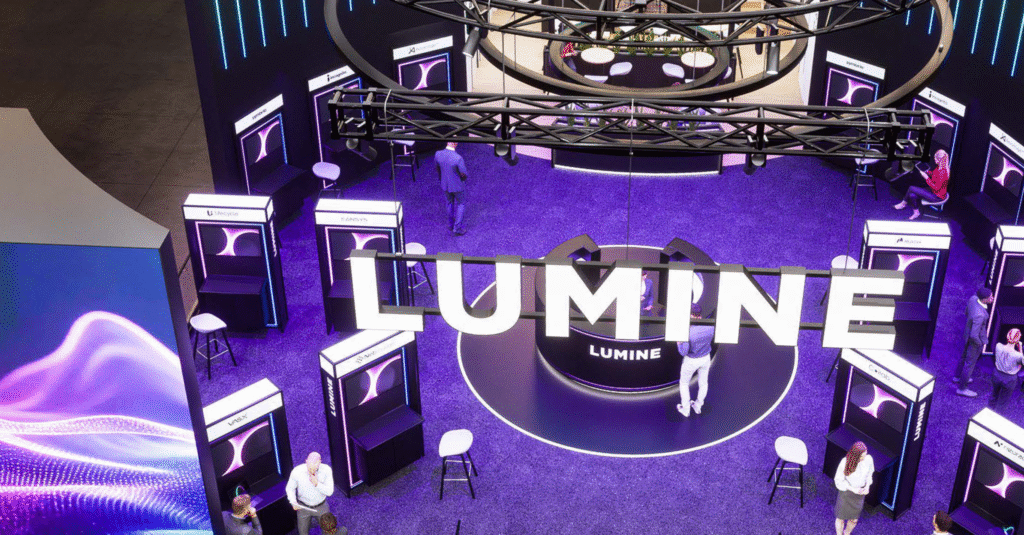
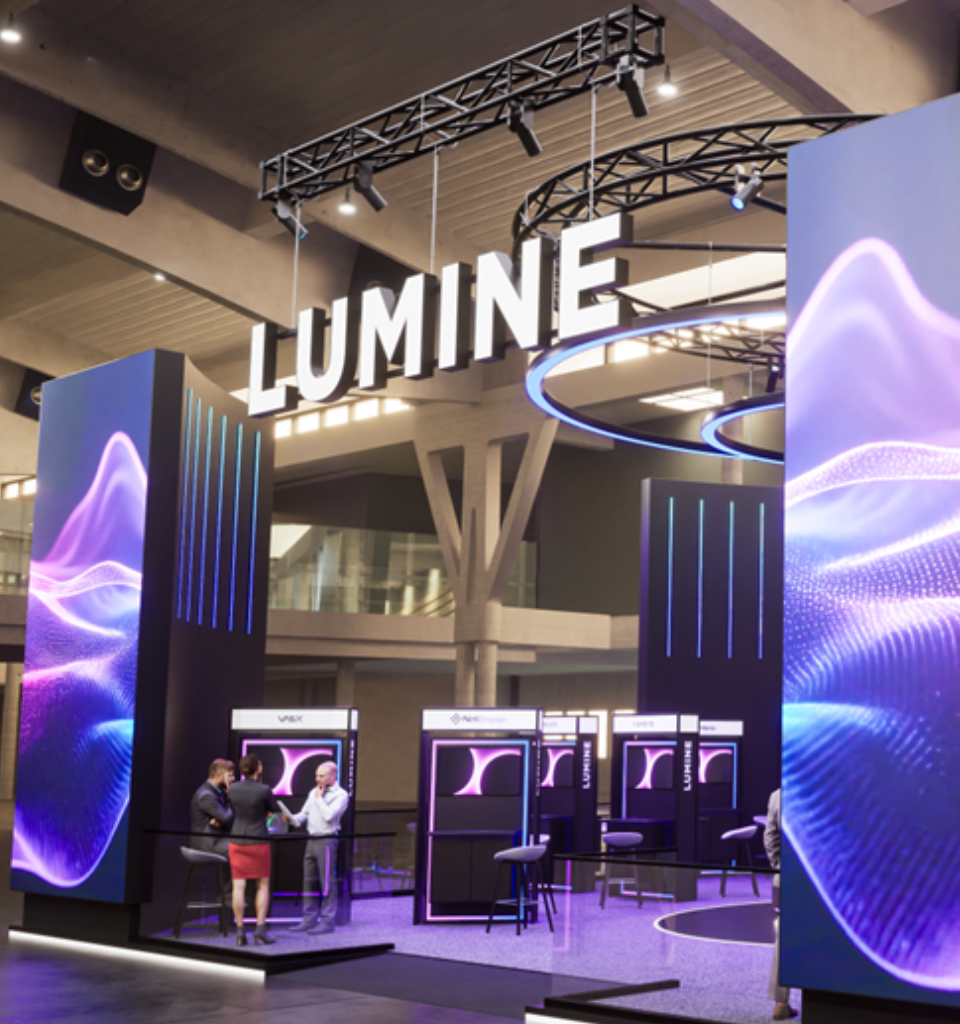
At Mobile World Congress, Lumine Group’s Pavilion is where the ecosystem can come to life. This year, more than 20 portfolio companies exhibited side by side, each with its own products, teams, and customers, brought together in one shared space.
The Pavilion was designed to reflect how Lumine operates beyond the event floor. Independent businesses remain autonomous, while benefiting from shared experience, deep domain focus in communications and media software, and access to a global network of peers. Rather than describing this model in theory, the Pavilion allows visitors to see it in practice through real conversations, working teams, and active customer engagement.
This Q&A brings together two of the leaders behind the 2026 Pavilion: Carlos Vasconcelos, Lumine Group’s Chief Commercial and Marketing Officer, and Eileen Ugarkovic, Group Creative Director. Together, they shaped the Pavilion as a platform for portfolio companies to shine, ensuring the space supports individualized, strong company presence and meaningful, high-quality interaction.
Video by: Evolve CSL
Designed to Support Strong, Independent Companies
In the conversation below, Carlos and Eileen reflect on how the Pavilion served as a physical expression of Lumine’s ecosystem. They share what visitors experienced by spending time in the space, and how those interactions mirror what it means to be part of Lumine beyond any single event.
Featuring joint insights from Carlos Vasconcelos, Chief Commercial and Marketing Officer, and Eileen Ugarkovic, Group Creative Director, Lumine Group
What the Pavilion is Designed to Show
What does the Pavilion make clear about Lumine’s ecosystem?
We wanted to make Lumine’s operating model understandable through experience, not explanation. Lumine is a long-term home for communications and media software businesses around the world. All companies operate independently, across different markets and regions, but are connected through shared experience and a common ownership philosophy. That balance is easy to describe, but harder to grasp without seeing it in action.
The Pavilion was designed to close that gap. The goal was to create a space that told a cohesive story, where each business could stand confidently on its own while still clearly belonging to something larger and global by being able to walk the space itself.
That thinking guided every decision; from how people would move through the Pavilion, to spaces that could allow conversations to continue or begin, to how each individual business would be presented. The focus on flow, clarity, and cohesion, mirrors the same principles that guide how Lumine operates day-to-day.
At MWC, what did you notice that helped people understand Lumine as an ecosystem, not just a collection of companies?
A lot of it shows up in how conversations change once people spend time in the space. When these businesses are viewed on their own, some can be seen as niche or highly specialized. Seeing them operating side by side in a shared environment changes that context quickly. Customers and partners began connecting dots across the portfolio, and teams find themselves having different kinds of discussions.
We saw conversations move beyond product-level detail into broader, strategic topics faster. One business leader put it well: instead of explaining who they were, they were being asked how they fit within Lumine. That shift is subtle, but it signals that people are seeing the bigger picture.
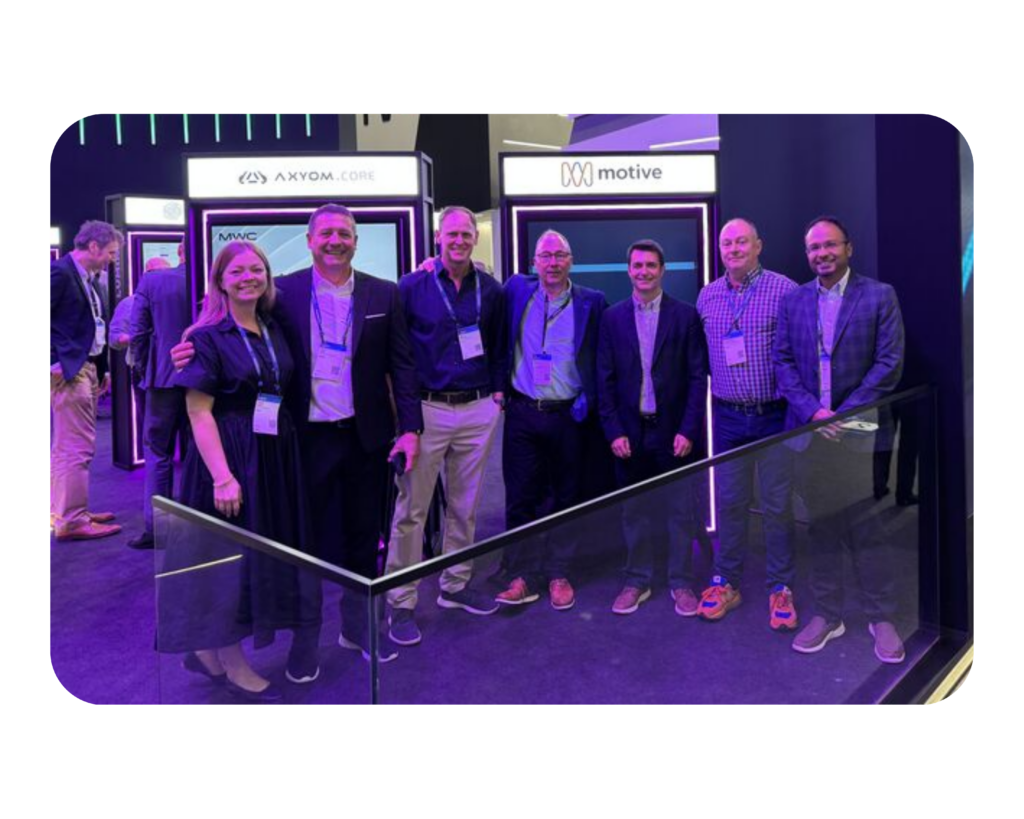
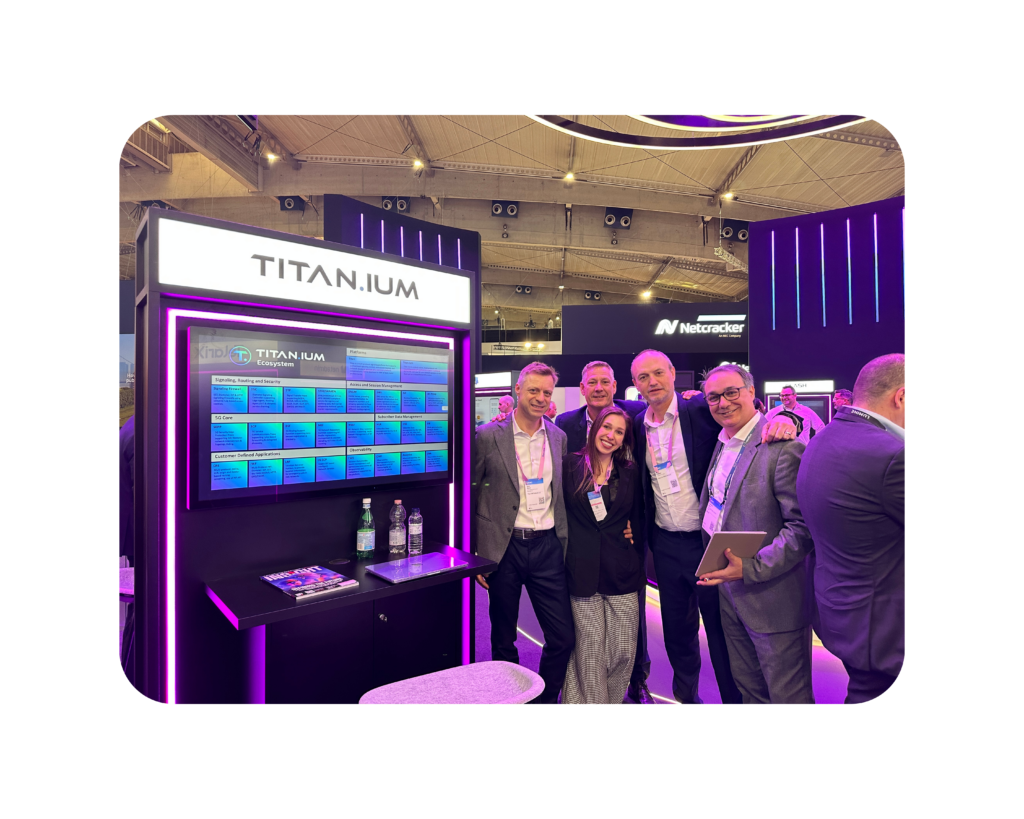
You could also see the ecosystem aspect in the informal moments. Teams crossed paths between meetings, sit in on each other’s conversations, and made introductions that do not happen when booths are isolated.
Experiencing the Pavilion on the Show Floor
When people stepped into the Pavilion for the first time, what stood out immediately?
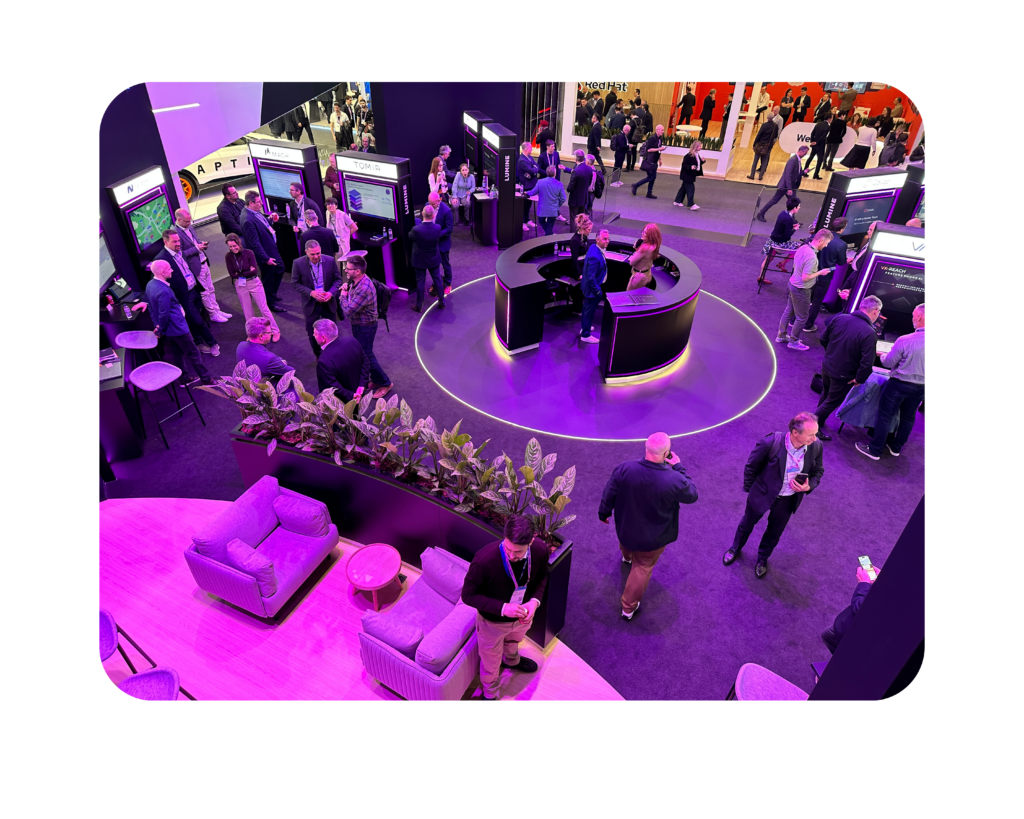
We hope that the takeaway was that this wasn’t a single brand’s showcase. While Lumine was visible at the entrance, the focus shifted almost immediately to the portfolio companies themselves. Each business had its own team, its own space, and its own conversations happening in parallel. The Pavilion wasn’t arranged as a display. It functioned as a working environment built around real interaction.
The variety of spaces reinforced that. Open areas supported quick, informal conversations from the show floor, while quieter zones allowed teams to sit down with customers or partners and spend time where it mattered. Both were active throughout the week.
Visually, the design supported what was happening rather than competing with it. LED walls highlighted individual companies, while motion and abstract visuals referenced networks and movement. The result was a space that felt active and lived‑in, reflecting the pace and energy of the conversations taking place.
After spending time in the Pavilion, what did people come away understanding more clearly?
People saw that Lumine’s ecosystem is something you can observe in action, not just describe. Seeing multiple independent companies operating side by side, made the model tangible. Teams were holding their own meetings, leading their own conversations, doing their own social media videos – that visibility is what made the ecosystem real and exactly why a space like this matters.
Supporting Teams and Long-Term Value
What did Lumine’s expanded Pavilion demonstrate for the businesses exhibiting at MWC?
This year reflected how the ecosystem has grown, both operationally and globally. For the businesses in the Pavilion, it changed how they showed up and how they were perceived. Companies from across regions and markets were no longer having to introduce themselves in isolation, but as part of a global communications and media software ecosystem with real scale and continuity.
At the same time, the Pavilion signaled momentum. It demonstrated how far the group has come, while making clear that the ecosystem continues to expand. For the businesses involved, that balance of stability and growth created a stronger starting point for conversations and long‑term opportunity.
Beyond the Pavilion itself, what should people remember about Lumine long after MWC?
That Lumine is a long‑term owner built for communications and media software businesses that want to stay true to who they are.
The Pavilion shows that independence is not something companies give up after an acquisition. Each business operates in its own way, leads its own conversations, and engages customers on its own terms, while benefiting from the credibility, expertise, and continuity of being part of a broader group.