 Execution
 Resilience
 Strategic Thinking
 Communication
 Business Acumen
 Customer Centricity
 Drive & Results Focused
 Creative Thinking
 Talent Leadership
 Depth & Breadth
 Domain Expertise
Why Leadership Competencies Define the Future of Successful Organizations
How Lumine’s competency framework, paired with events build stronger teams and strong businesses.
At Lumine Group, we believe that sustainable business performance is driven by strong, self-aware leaders. Whether we’re acquiring a carve-out, a founder-led business, or integrating a new team into our ecosystem, our commitment to leadership development remains the same: invest in people to unlock long-term growth.
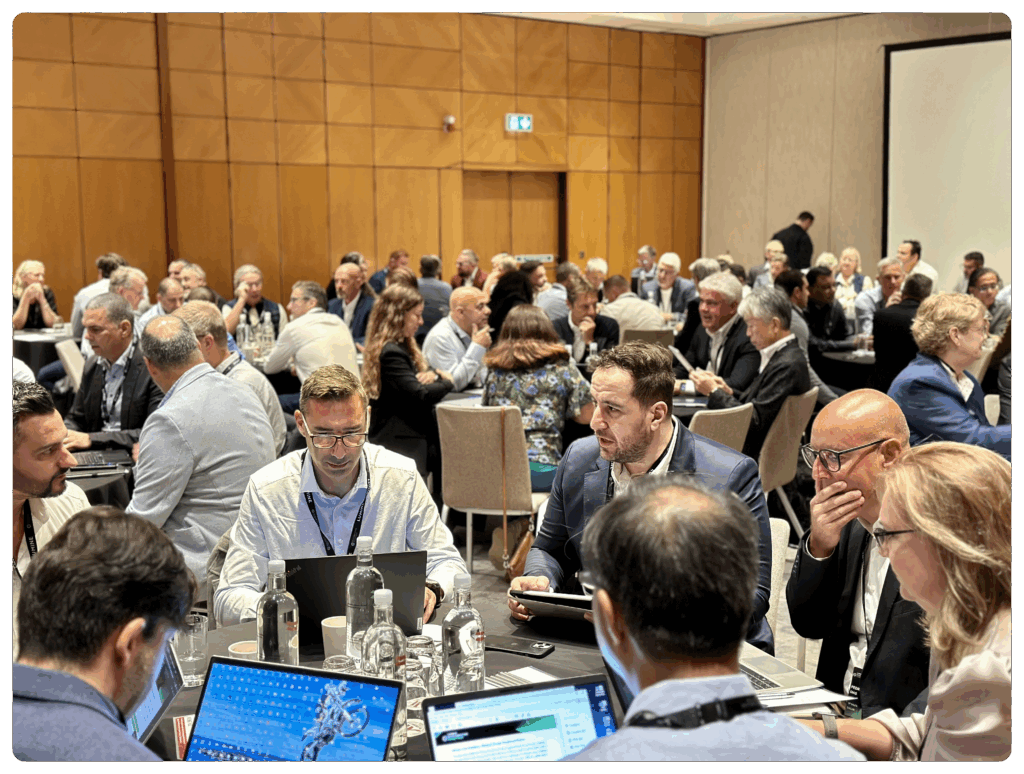
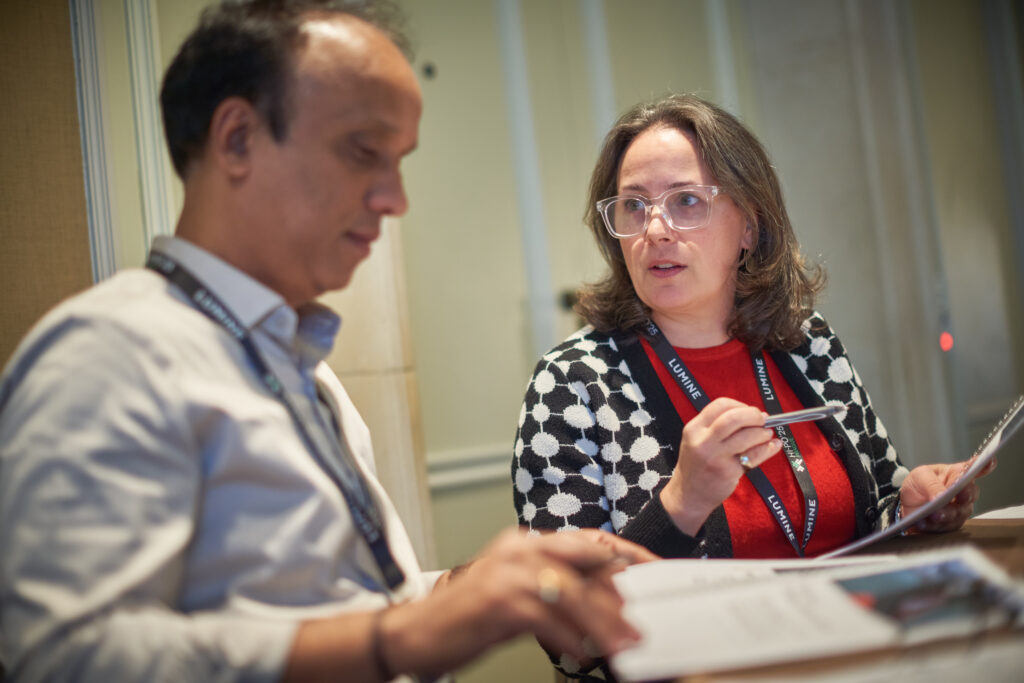
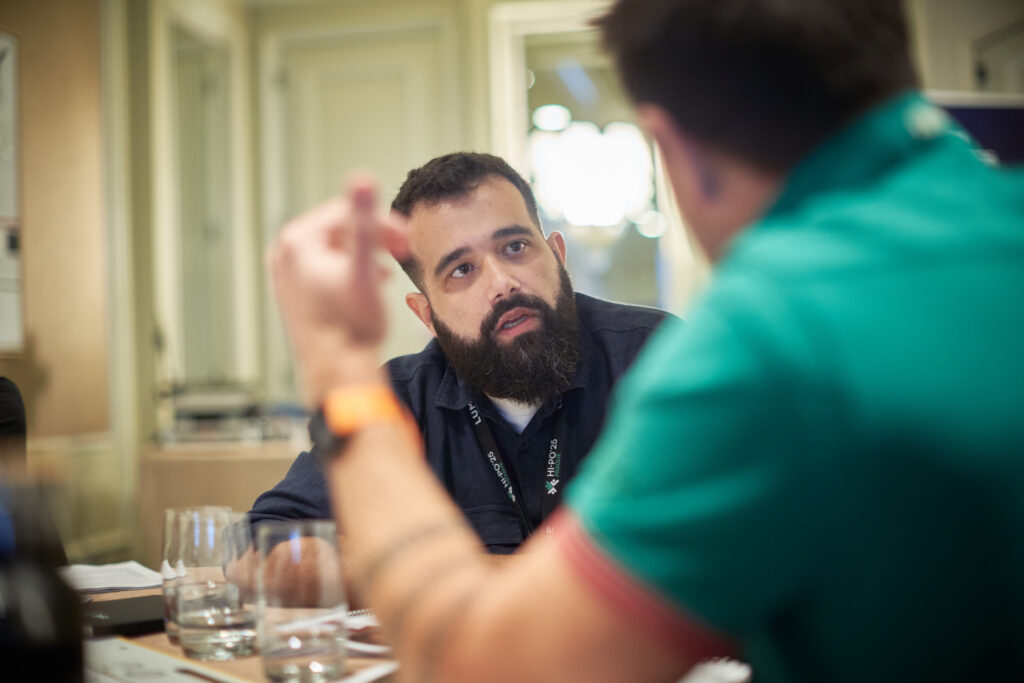
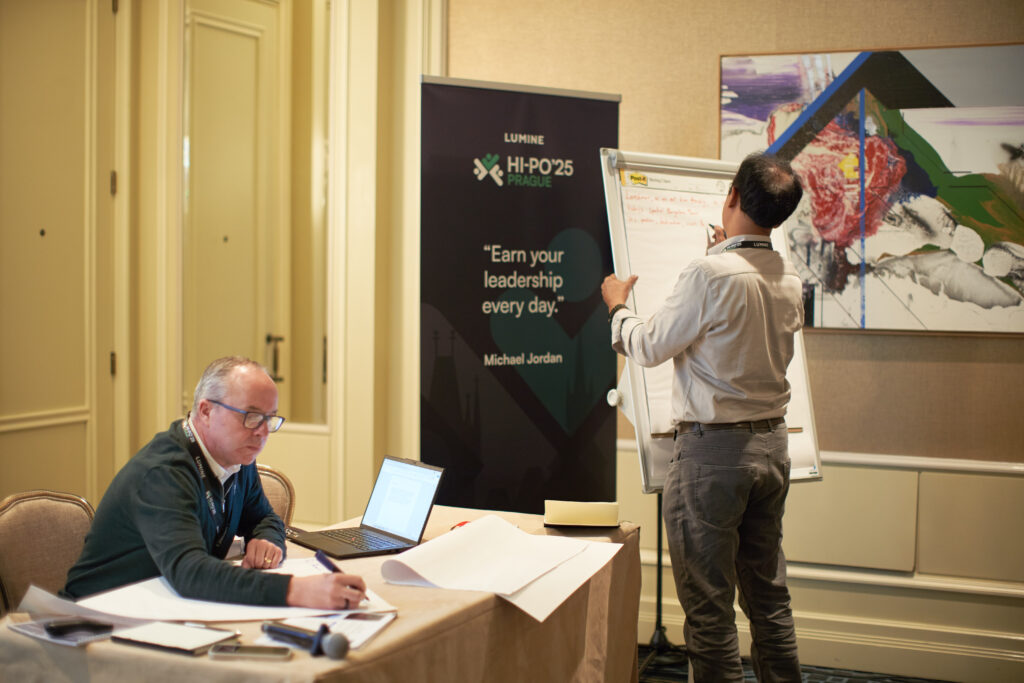
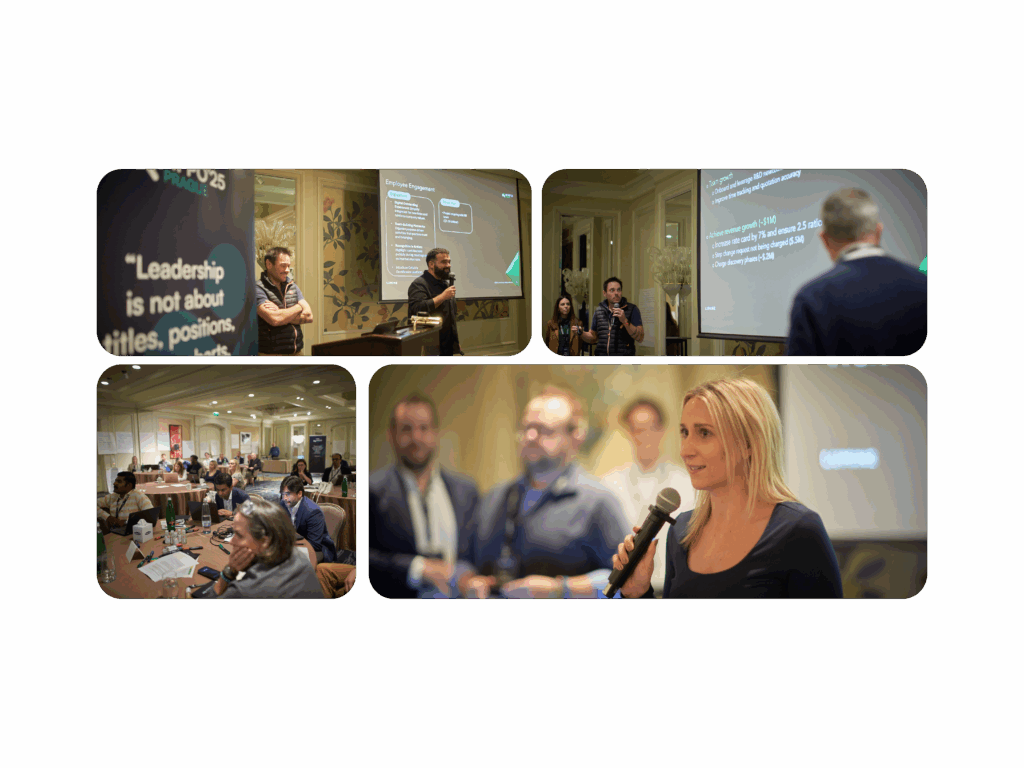
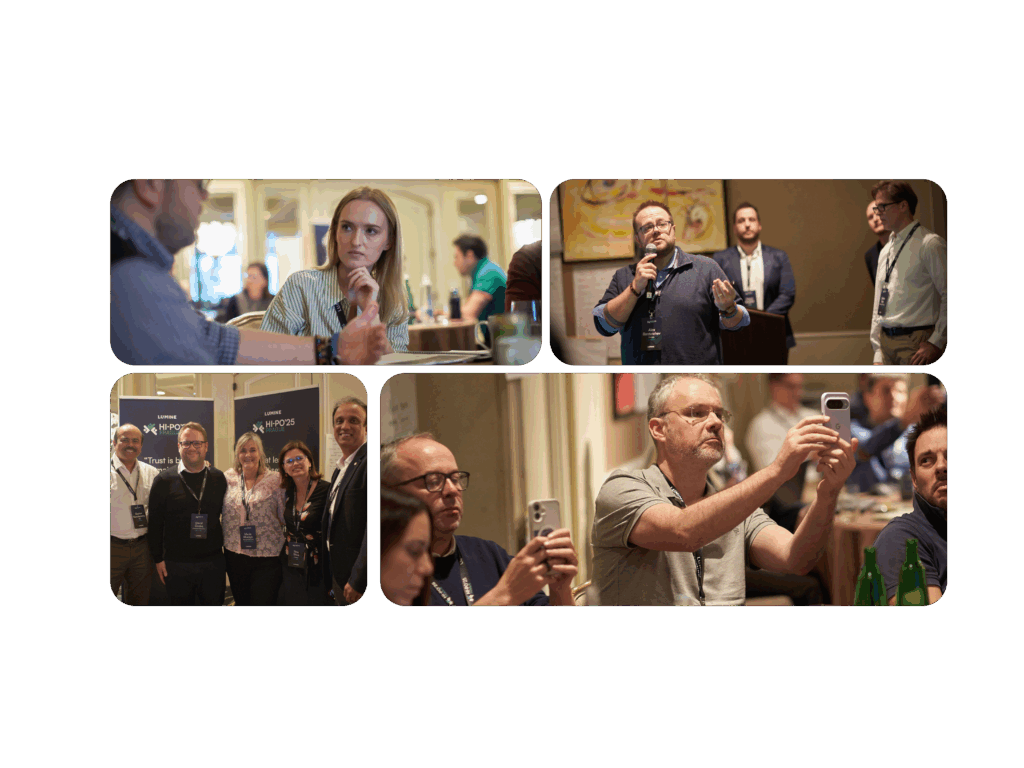
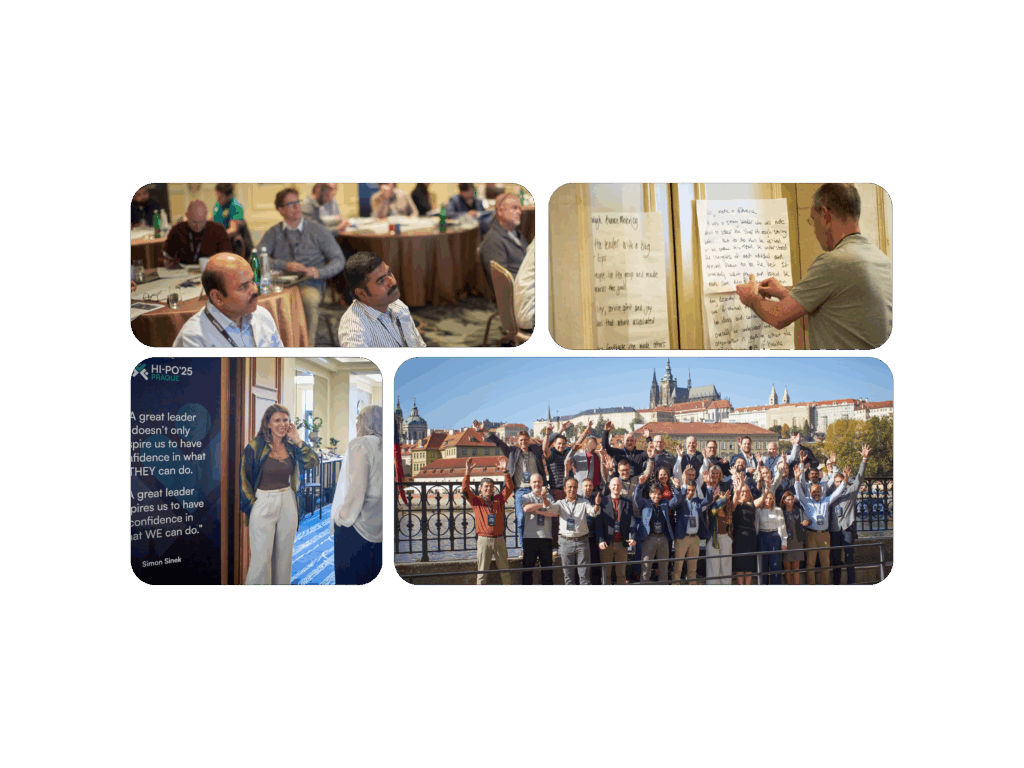
One of the ways we bring this to life is through our Hi-Po (High Potential) Summit, an annual gathering of top-performing individuals from across our portfolio. These leaders are nominated by their CEOs for their exceptional performance and potential to grow.
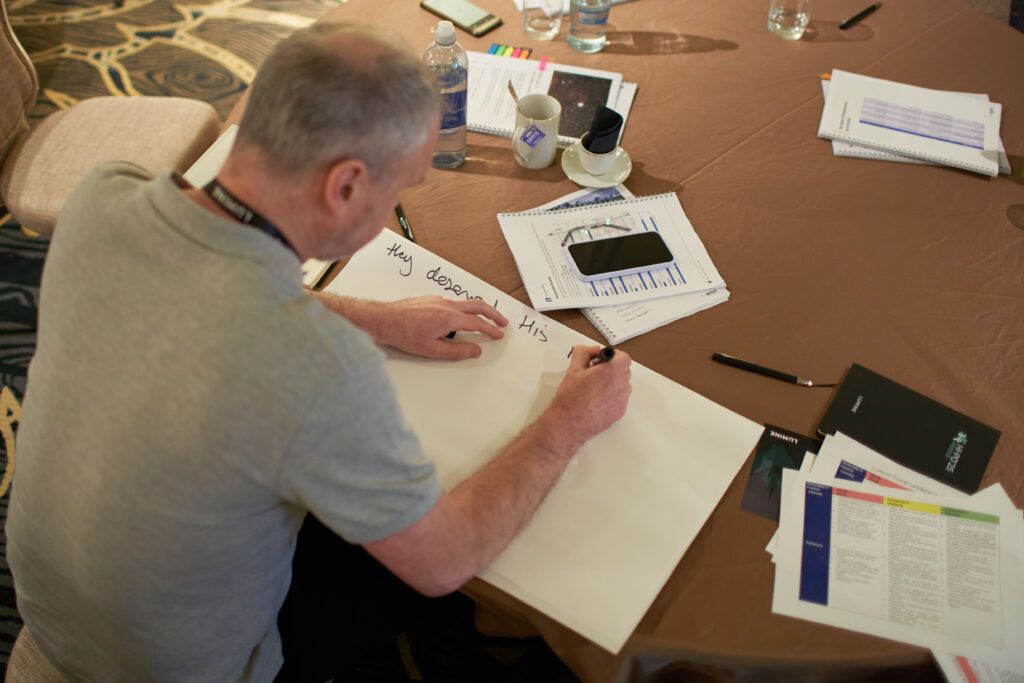
At our most recent summit in Prague, a key focus was exploring Lumine’s leadership competency framework, a set of guiding principles that help leaders align their behaviours with our values and strategic goals.


Why Leadership Competencies Matter
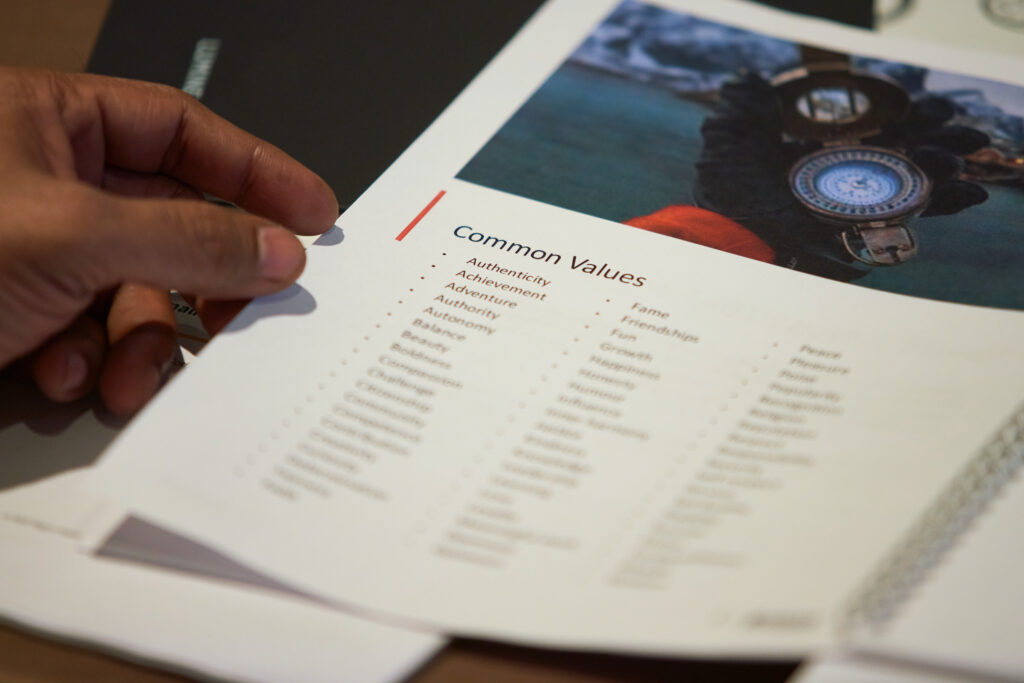
Leadership competencies are the skills, behaviors, and attributes that enable individuals to guide teams, make sound decisions, and drive results. They help organizations create alignment, build resilient cultures, and ensure that leadership development is intentional.
At Lumine, we’ve defined a framework of 11 core competencies that reflect what great leadership looks like across our companies. Understanding that every business in unique, these competencies serve as a foundation for coaching, performance development, and succession planning, especially important in post-acquisition environments where continuity and culture matter.
 Execution
- What it means: Driving results with excellence, focus, and accountability.
- In action: A leader who consistently delivers high-quality outcomes, challenges the status quo, and motivates their team to meet commercial goals without compromising standards.
- Example: A GM who optimized delivery workflows to reduce turnaround time by 30%, while maintaining customer satisfaction scores
Resilience
- What it means: Staying grounded and effective under pressure.
- In action: Leaders who navigate challenges with composure, recover from setbacks, and support their teams through uncertainty.
- Example: A department head who led a team through a major customer loss while maintaining morale and performance.
Strategic Thinking
- What it means: Seeing the bigger picture and planning for long-term success.
- In action: Leaders who anticipate future trends, mitigate risks, and drive innovation through thoughtful planning and change management.
- Example: A product lead who identified emerging market needs and pivoted the roadmap to capture new revenue streams.
Communication
- What it means: Sharing ideas clearly and listening actively.
- In action: Leaders who foster transparency, give constructive feedback, and adapt their communication style to different audiences.
- Example: A CEO who hosts monthly town halls to keep teams informed and engaged across regions.
Business Acumen
- What it means: Understanding the mechanics of business and making informed decisions.
- In action: Leaders who represent the company externally, optimize internal operations, and demonstrate fluency in financial, marketing, and operational strategy.
- Example: A regional director who negotiated a strategic partnership that expanded market reach while improving margins.
Customer Centricity
- What it means: Putting the customer at the heart of decision-making.
- In action: Leaders who advocate for customer needs, improve experiences, and build long-term relationships.
- Example: A support lead who redesigned onboarding based on customer feedback, improving retention by 20%.
Drive & Results Focused
- What it means: Maintaining momentum and pushing for continuous improvement.
- In action: Leaders who set ambitious goals, track progress, and celebrate wins while staying focused on outcomes.
- Example: A team lead who implemented a performance dashboard that increased accountability and improved team KPIs.
Creative Thinking
- What it means: Solving problems with innovation and curiosity.
- In action: Leaders who challenge assumptions, explore new ideas, and encourage experimentation.
- Example: A marketing director who launched a campaign using AI-generated content, increasing engagement and reducing costs
Talent Leadership
- What it means: Developing others and building high-performing teams.
- In action: Leaders who coach, mentor, and create growth opportunities for their teams.
- Example: A manager who built a succession plan that promoted two team members into leadership roles within a year.
Depth & Breadth
- What it means: Balancing specialized expertise with cross-functional awareness.
- In action: Leaders who understand their domain deeply while collaborating effectively across teams and disciplines.
- Example: A finance leader who partnered with product and sales to align pricing strategy with customer value.
Domain Expertise
- What it means: Proven ability to shape understanding of domain knowledge beyond immediate business unit.
- In action: Leaders who develop roadmaps for others and maintains knowledge of the field.
- Example: A product leader who authored a chapter of the company’s onboarding playbook, distilling complex platform capabilities into clear guidance for new hires and cross-functional teams.

A Framework for Growth and Continuity
We recognize that every organization defines leadership differently. When a company joins Lumine, it continues to operate independently and in a decentralized manner, preserving its unique culture while bringing Lumine’s leadership competencies to life in its own way.
Our competency framework provides a language and structure for developing leaders who can continue to grow in complex, fast-moving environments, and inspire them to grow.
For founders and management teams joining Lumine, this framework offers clarity and support. For business brokers and carve-outs, it signals our commitment to continuity, culture, and capability-building post-acquisition.
Leadership development is not a side initiative, it’s central to how we operate. By investing in people, we strengthen the foundation of every business that joins Lumine, ensuring that performance is sustained and cultures continue to grow.